Back to Home
 Precision Biological Therapy

Peptide Therapy
for Joint & Tissue Healing

Short-chain amino acid sequences that act as biological keys — unlocking your body's natural repair mechanisms to accelerate healing, reduce chronic inflammation, and stimulate healing in damaged soft tissue without surgery.

Peptides:
The Body's Molecular Messengers

Peptides are short amino acid chains — smaller than proteins, yet extraordinarily precise in their biological action. Research published in Nature Reviews Drug Discovery shows therapeutic peptides can modulate inflammation, accelerate tissue repair, and stimulate regenerative pathways that the aging body can no longer activate on its own.
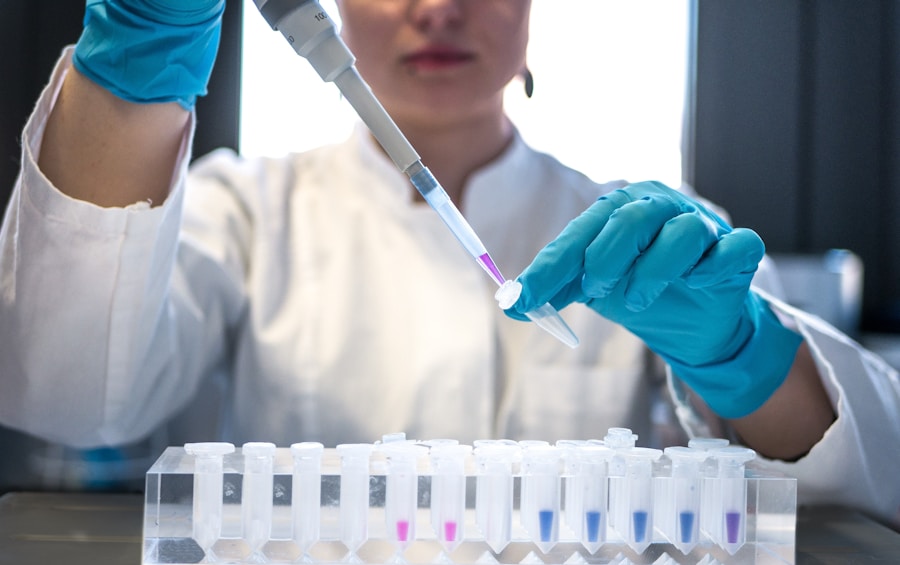
Peptide amino acid chain molecular structure — BPC-157 therapeutic peptide visualization
Therapeutic peptide receptor binding — NF-kB signaling suppression and repair gene activation
Nature Reviews — Drug Discovery
How Therapeutic Peptides Work

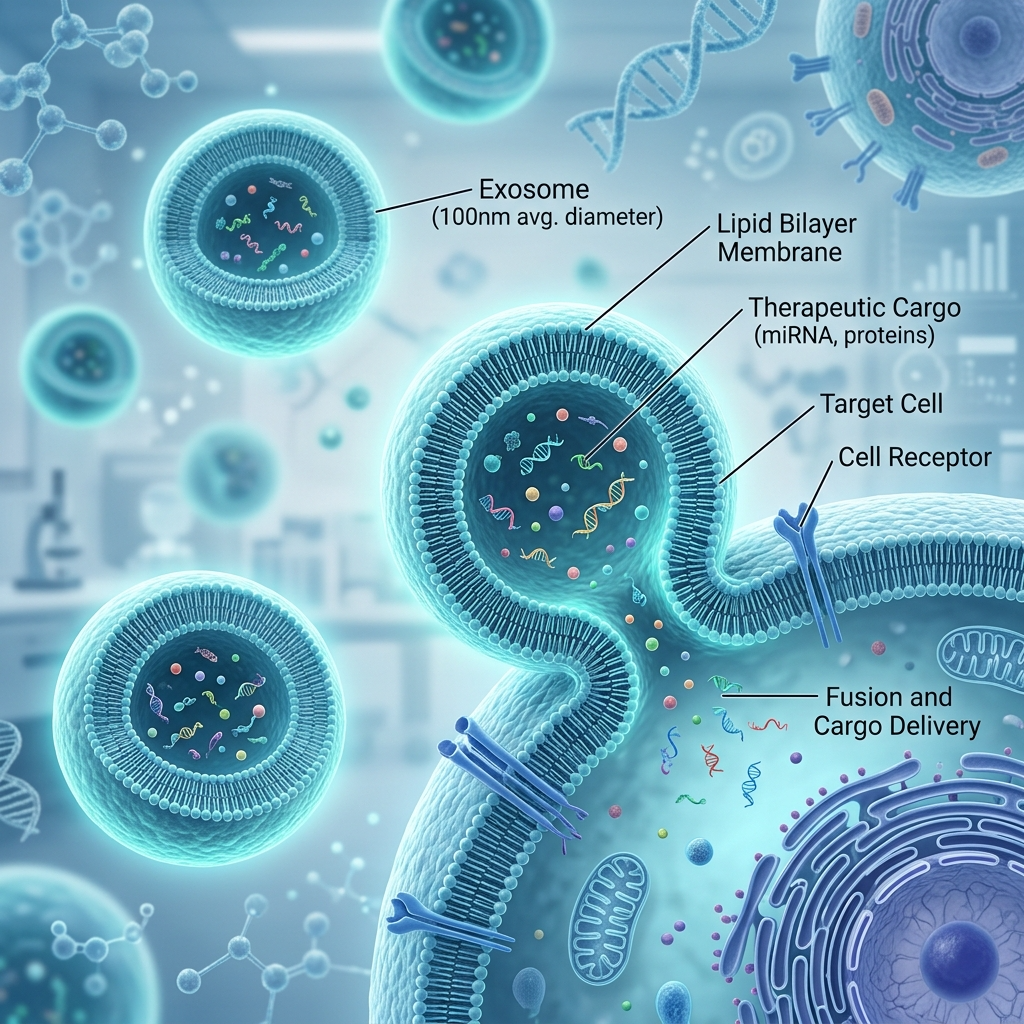
Therapeutic peptides bind to cell surface receptors with high specificity, triggering intracellular signaling that activates repair genes, suppresses NF-κB inflammatory pathways, and promotes extracellular matrix remodeling — all without systemic drug side effects.
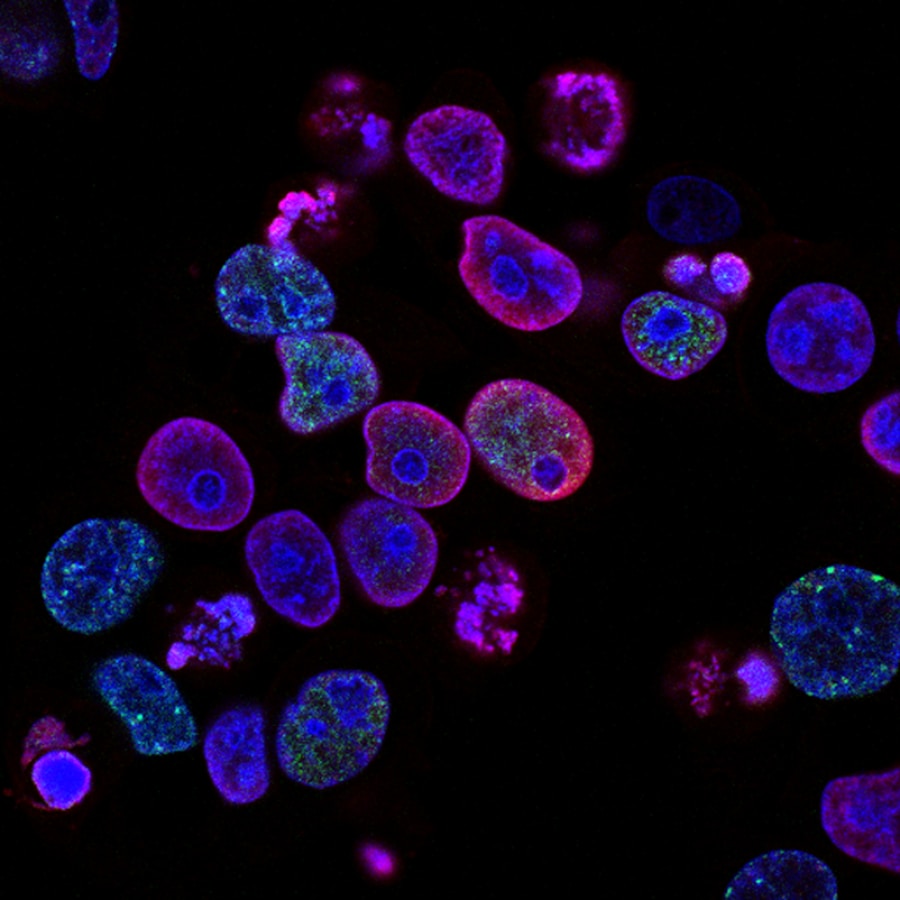
BPC-157 tendon-to-bone healing — cartilage repair histology
Journal of Physiology — 2024
BPC-157: Tendon, Ligament & Cartilage Repair

Body Protection Compound-157, a 15-amino acid peptide derived from human gastric juice, demonstrates accelerated tendon-to-bone healing, upregulates growth hormone receptors, and supports angiogenesis — new blood vessel formation critical to structural repair.
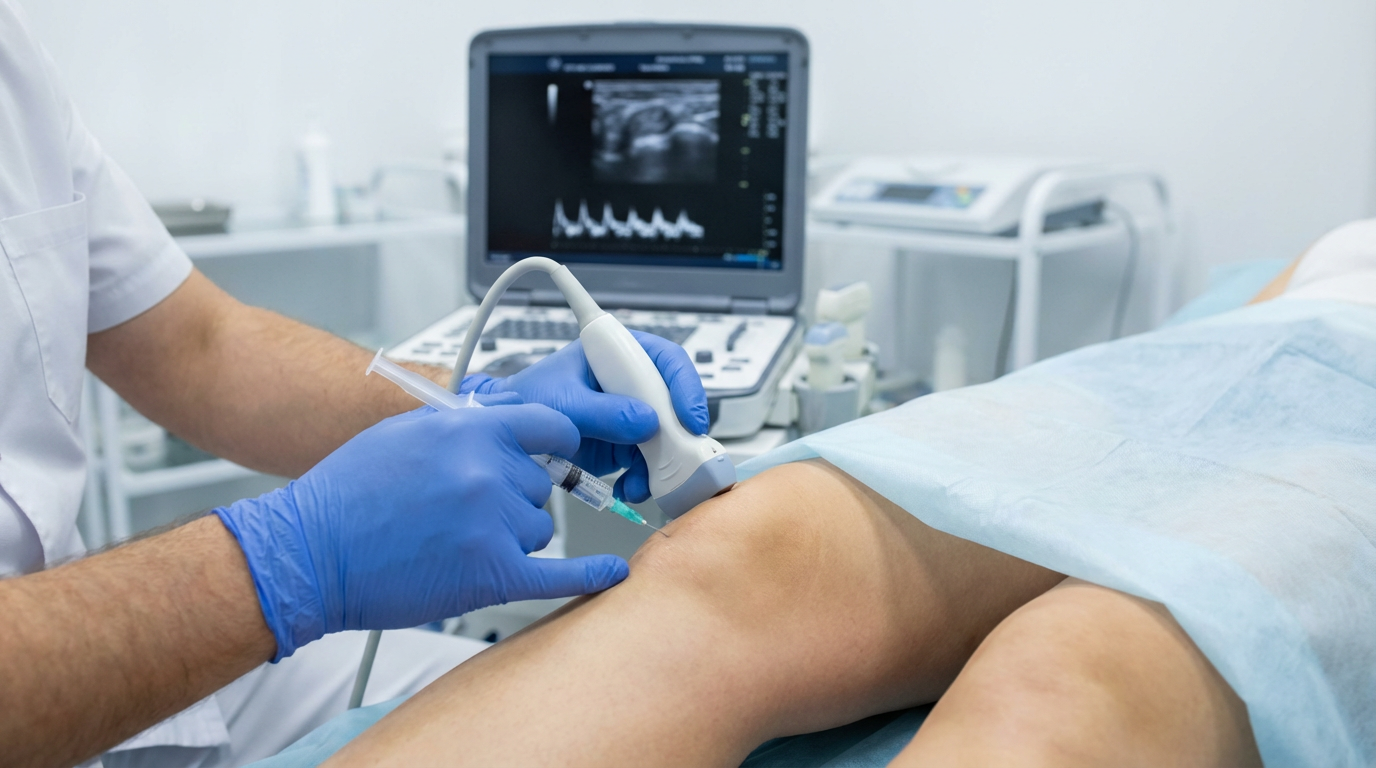
Ultrasound-guided peptide injection — precision delivery to musculoskeletal tissue
Journal of Orthopaedic Research
TB-500 & Musculoskeletal Recovery

Thymosin Beta-4 promotes actin polymerization, reduces inflammation, and accelerates repair of muscle, tendon, and connective tissue — with research showing significant reductions in recovery time following orthopedic injuries.
43+ FDA-approved therapeutic peptides in clinical use today
15 Amino acids in BPC-157 — one of the most studied healing peptides
In-Office Same-day treatment, targeted delivery — no hospital required

What Is Peptide Therapy?

Peptides are short chains of amino acids — the same building blocks that make up proteins — but small enough to penetrate cell membranes and communicate directly with your body's repair machinery.

Unlike broad-spectrum anti-inflammatories or steroids that suppress your entire immune response, therapeutic peptides are highly targeted. They speak the same biological language as your cells, activating specific healing pathways. At JRCU, clinically researched peptide protocols are available through licensed compounding pharmacies. Peptides are dispensed as vials for patient self-administration — your provider walks you through the protocol, dosing schedule, and proper technique.

Highly targeted — activates specific repair pathways
Works synergistically with exosomes, PRP, and stem cell therapies
Stimulates collagen synthesis, angiogenesis, and tissue remodeling
Self-administered via subcutaneous injection — your provider teaches you the protocol
Peptide therapy — targeted amino acid sequences for biological regeneration
Molecular Precision Targeted amino acid sequences that activate your body's own repair

Peptides We Use &
What They Target

We focus on the two most clinically validated orthopedic peptides — selected based on your injury, imaging, and recovery goals. Virtual consultations available.

BPC-157

Body Protection Compound-157

A 15-amino acid peptide with the most robust orthopedic research of any therapeutic peptide. BPC-157 accelerates tendon and ligament healing, reduces joint inflammation, promotes angiogenesis, and upregulates growth hormone receptors in injured tissue. Often called the "Wolverine drug" for its remarkable soft tissue repair properties.

Tendon Repair Ligament Healing Anti-Inflammatory Angiogenesis
TB-500 / Thymosin Beta-4

Thymosin Beta-4 (TB-500)

A naturally occurring peptide found in nearly all human cells, central to tissue protection, repair, and regeneration. TB-500 promotes actin upregulation — critical for cell migration to injury sites — reduces fibrous scar tissue, and modulates inflammation. Particularly effective for muscle tears, tendinopathy, and post-surgical recovery.

Muscle Recovery Scar Reduction Cell Migration Post-Surgical
Virtual Consultations Available

Peptide Consultations — Available Virtually

Our clinical team sees patients virtually for peptide and hormone consultations — meaning you can discuss BPC-157, TB-500, hormone therapy, and comprehensive optimization protocols from anywhere in Utah, without coming into the office.

Whether you're an athlete looking to accelerate recovery, or dealing with chronic tissue injury, our providers bring expert guidance to a convenient, accessible virtual visit. Peptides are shipped directly to you following your consultation.

Book a Virtual Consultation (801) 996-3592
100% virtual — consult from anywhere in Utah
BPC-157 & TB-500 shipped directly to you
Hormone therapy consultations also available virtually
Licensed Utah providers

Conditions That Respond
to Peptide Therapy

Peptides are especially powerful for soft tissue injuries, chronic tendinopathy, and post-surgical healing where conventional treatments have stalled.

Tendinopathy & Tendon Tears

BPC-157 and TB-500 directly stimulate tenocyte proliferation and collagen synthesis — accelerating healing in Achilles, patellar, rotator cuff, and elbow tendons.

Ligament Sprains & ACL Injuries

Peptide protocols support ligament-to-bone healing, reduce scar tissue formation, and restore joint stability — often avoiding or enhancing surgical outcomes.

Rotator Cuff & Shoulder Pain

Chronic rotator cuff tears and shoulder impingement respond well to targeted peptide injections combined with growth factor biologics.

Knee & Hip Osteoarthritis

BPC-157 supports cartilage matrix preservation and reduces synovial inflammation, complementing exosome and stem cell treatments for joint degeneration.

Muscle Strains & Sports Recovery

TB-500 and BPC-157 dramatically reduce muscle recovery time for athletes — addressing both acute tears and chronic overuse injuries.

Spine, Disc & Nerve Pain

Anti-inflammatory peptides combined with spine-targeted biologics address disc degeneration, facet arthritis, and nerve-related pain with precision.

How Peptides Trigger
The Healing Cascade

From injection to structural repair — what happens inside your body over the weeks following peptide therapy.

Consistent Delivery

Peptides are self-administered by the patient via subcutaneous injection on a prescribed schedule — ensuring regular dosing so the active compounds can support the body's healing processes over time.

Receptor Binding

Peptide sequences bind to specific cell surface receptors, activating intracellular signaling pathways that promote repair gene expression.

Inflammation Resolution

NF-κB and other pro-inflammatory pathways are down-regulated. Chronic inflammation gives way to a productive healing environment within days.

Structural Regeneration

New collagen fibers are laid down. Angiogenesis improves blood supply. Tissue architecture is restored — reducing pain and restoring function.

Your Peptide Therapy
Journey at JRCU

A personalized, medically supervised protocol — designed around your biology, your imaging, and your recovery goals.

1

Book Your Consultation

We review your injury history, imaging, and prior treatments to determine whether peptide therapy — alone or combined — is the right approach.

2

Custom Protocol Design

Our provider selects the specific peptides, concentrations, and delivery schedule based on your diagnosis. Peptide protocols are available via virtual consultations from anywhere in Utah.

3

Self-Administered Protocol

You self-administer peptides via subcutaneous injection on a schedule designed by your provider. Your provider reviews technique and answers questions at your consultation.

4

Monitored Recovery

We track your response at regular intervals and adjust your protocol as healing progresses — ensuring optimal results throughout your recovery.

Peptide Therapy vs. Conventional Options

Unlike steroids, NSAIDs, or surgery, therapeutic peptides work with your biology — not against it — to achieve durable healing.

Treatment Addresses Root Cause Promotes Repair Well-Tolerated Profile
Peptide Therapy ✓
Cortisone / Steroids
NSAIDs (ibuprofen etc.)
PRP Therapy
Surgery

Safety Profile

Therapeutic peptides are well-tolerated with minimal side effects. The most common experience is mild, transient soreness at the injection site resolving within a few days. Peptides do not suppress your immune system or damage cartilage the way repeated steroid injections can.

Timeline & Expectations

Many patients notice reduced inflammation within the first 1–2 weeks. Peak improvement typically occurs at 8–12 weeks for acute injuries, and 3–6 months for chronic degenerative conditions. Results continue to build as tissue remodeling progresses.

Combined Protocols

Peptides are most powerful when layered with complementary biologics. At JRCU, we frequently combine BPC-157 with exosomes, or TB-500 with PRP — creating a multi-pronged repair environment that no single therapy can achieve alone.

Peptide Therapy FAQ

Straightforward answers to the questions patients ask most.

Peptides are naturally occurring biological molecules — short chains of amino acids that your body already produces. Unlike synthetic drugs, which are foreign compounds that block or interfere with pathways, peptides work by mimicking or amplifying signals your body already uses. This is why they tend to have a much better safety profile and far fewer side effects than conventional pharmaceuticals.
BPC-157 is not currently FDA-approved as a standalone pharmaceutical drug, though it has an extensive safety and efficacy record in peer-reviewed research. It is legally available as a compounded peptide through licensed compounding pharmacies operating under FDA oversight. We discuss the regulatory status of each peptide — and your full protocol options — during your consultation with our clinical team.
This varies significantly by condition, severity, and the specific peptides used. Acute injuries may respond well to a single injection series (2–4 treatments over several weeks), while chronic degenerative conditions may benefit from ongoing quarterly maintenance protocols. We design your protocol after a thorough evaluation — we don't use template schedules that don't account for individual biology.
Absolutely — and this is often where the most impressive outcomes occur. Peptides are synergistic with exosomes, PRP, and growth factor biologics. For example, BPC-157 delivered alongside a platelet-rich preparation at the site of a tendon injury creates a repair environment that neither treatment achieves independently. Our provider specializes in designing these multi-modal protocols.
Peptide therapy at JRCU is self-pay with full pricing transparency provided at your consultation. Many patients find that the cost of a peptide protocol — compared to surgery, ongoing steroid injections, or years of physical therapy — represents significant long-term savings.
Recovery is typically minimal. Most patients experience mild soreness at the injection site for a few days. You can generally return to normal activity within 7 days, and we provide specific post-treatment guidelines for your protocol. We provide specific post-treatment guidelines for your protocol.

Ready to Explore Peptide Therapy?

Ready to start? Our clinical team is available for virtual peptide and hormone consultations — from anywhere in Utah. Your provider will walk you through your protocol, dosing schedule, and self-administration technique. Same-day treatment discount available — $100 credited toward treatment when pursued the same day (minimum $1,000 treatment, Optimize protocols excluded).

Prefer virtual? Our team offers virtual consults for peptides & hormones — mention it when you book.

Flexible Financing Available
Pay Over Time with CareCredit
Apply in minutes. Use at JRCU for any treatment. No prepayment penalty.
Apply for CareCredit
Book Your Consultation