The hip is the body's largest weight-bearing joint — and when it fails, everything else does too. Regenerative medicine restores it without the 12-month recovery of hip replacement surgery.
Every step you take loads the hip joint with 3–5 times your body weight. Over time — and especially after injury — the cartilage and soft tissue that protect the joint break down, leading to pain, stiffness, and lost mobility.
Hip replacement surgery is major — and often unnecessary for patients in the early-to-moderate stages of degeneration. Regenerative medicine addresses the root cause: restoring the biological environment that allows tissue to heal and function.
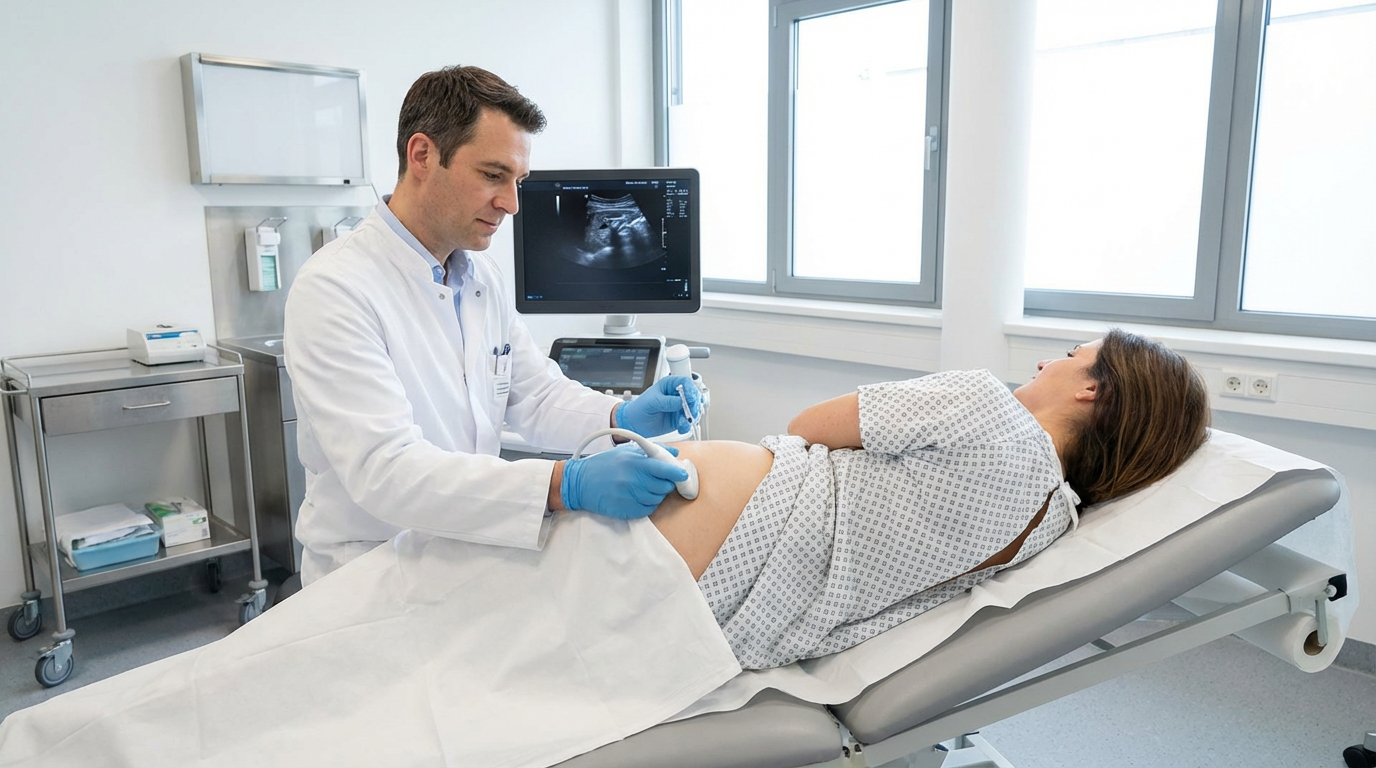
Every hip treatment plan is built from your imaging and personal history — precision matters.
"I was hiking the Wasatch again within 2 months of treatment. The team was phenomenal — I can't believe this isn't mainstream yet."
Hip cartilage has limited blood supply and near-zero self-repair capacity. Without biological intervention, degeneration is progressive — not reversible.
The smooth cartilage lining the hip socket gradually wears thin. Bone-on-bone contact creates chronic inflammation that accelerates the breakdown cycle.
Misalignment, leg length discrepancy, or repetitive athletic loading places abnormal force on the hip joint — wearing cartilage unevenly and rapidly.
Inflamed joint lining releases enzymes that destroy cartilage from within. Standard anti-inflammatories don't stop this process — they only temporarily reduce pain.
Cellular repair mechanisms slow dramatically after 40. Regenerative therapy restores the molecular signals that prompt new tissue formation — regardless of age.
A clear, guided process from first contact to full recovery.
Discuss your history, symptoms, and imaging with our team — no obligation.
X-ray and/or ultrasound in-clinic to map the extent of degeneration and guide your protocol. If additional imaging is clinically indicated, we refer to a trusted imaging partner for MRI.
Our provider designs a precise plan — therapy type, dosing, and visit schedule — for your hip.
Ultrasound-guided in-office injection. Most patients walk out the same day.
Progressive improvement over 3–6 months. Follow-up imaging confirms tissue response.
For patients with early-to-moderate hip OA or soft tissue conditions, regenerative therapy is often a true alternative to surgery. Advanced bone-on-bone cases may still require replacement eventually, but many patients extend pain-free life by years. The answer for your case requires a proper candidacy assessment.
Ultrasound-guided hip injections are well-tolerated. Local anesthetic is used at the injection site. Most patients describe a feeling of pressure rather than pain, and report minimal soreness in the days following treatment.
Results vary by individual, but many patients experience 1–3 years of significant pain relief from a single treatment series. Because regenerative therapy addresses underlying tissue damage — not just symptoms — results tend to be progressive and durable.
Significantly. Cortisone reduces inflammation temporarily but does nothing to repair cartilage — and repeated injections can accelerate tissue breakdown. Regenerative therapy works in the opposite direction: it provides biological building blocks for tissue repair and long-term recovery.
Yes — patients fly in from across the U.S. and internationally to access treatments that are only available in Utah. Our clinic is 15 minutes from Salt Lake City International Airport. Remote consultations are available to evaluate your candidacy before you travel, and we coordinate multi-day scheduling for out-of-state patients.