Next-Generation
Exosome Therapy
Nano-sized cellular messengers carrying growth factors, microRNA, and signaling proteins — often used alongside growth biologics for synergistic results.
Learn MoreAmniotic and birth tissue biologics are naturally rich in growth factors, cytokines, and proteins that support the body's healing process — helping to reduce inflammation and promote tissue repair in damaged joints without surgery.
Growth factors are signaling proteins present in amniotic and birth tissue preparations. They help coordinate the biological environment of a healing joint — influencing inflammation, cellular activity, and tissue remodeling.
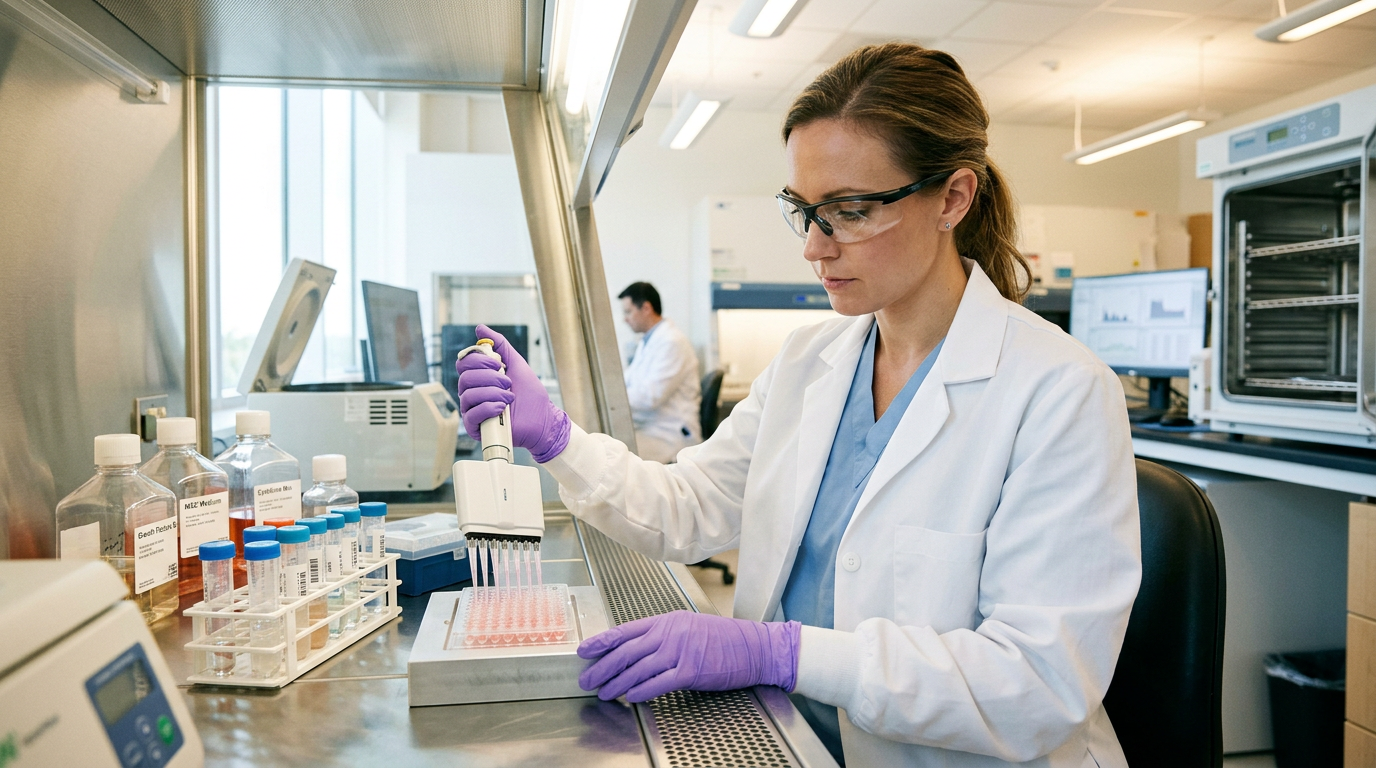
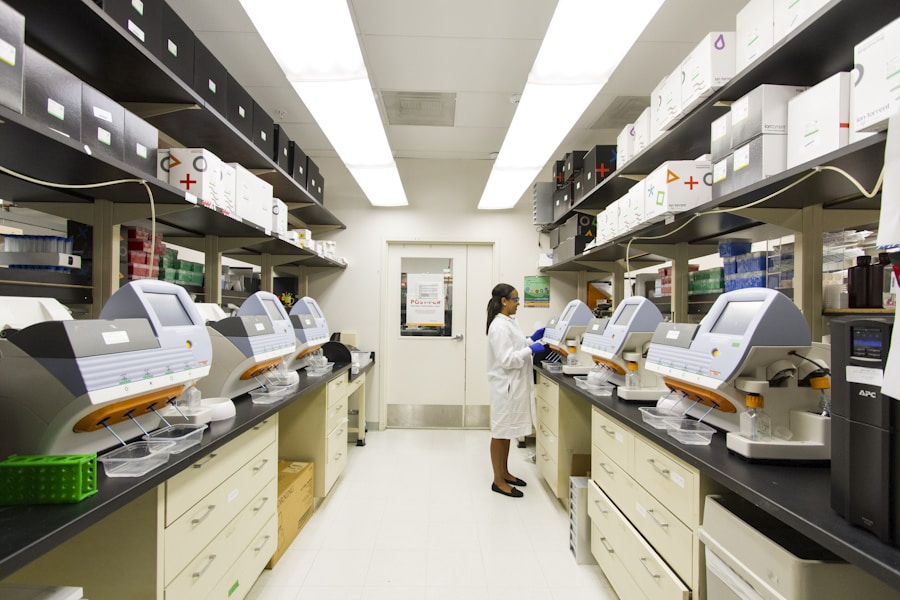
Growth factors bind to specific receptors on target cells, triggering intracellular signaling cascades that activate genes responsible for proliferation, differentiation, and extracellular matrix production.
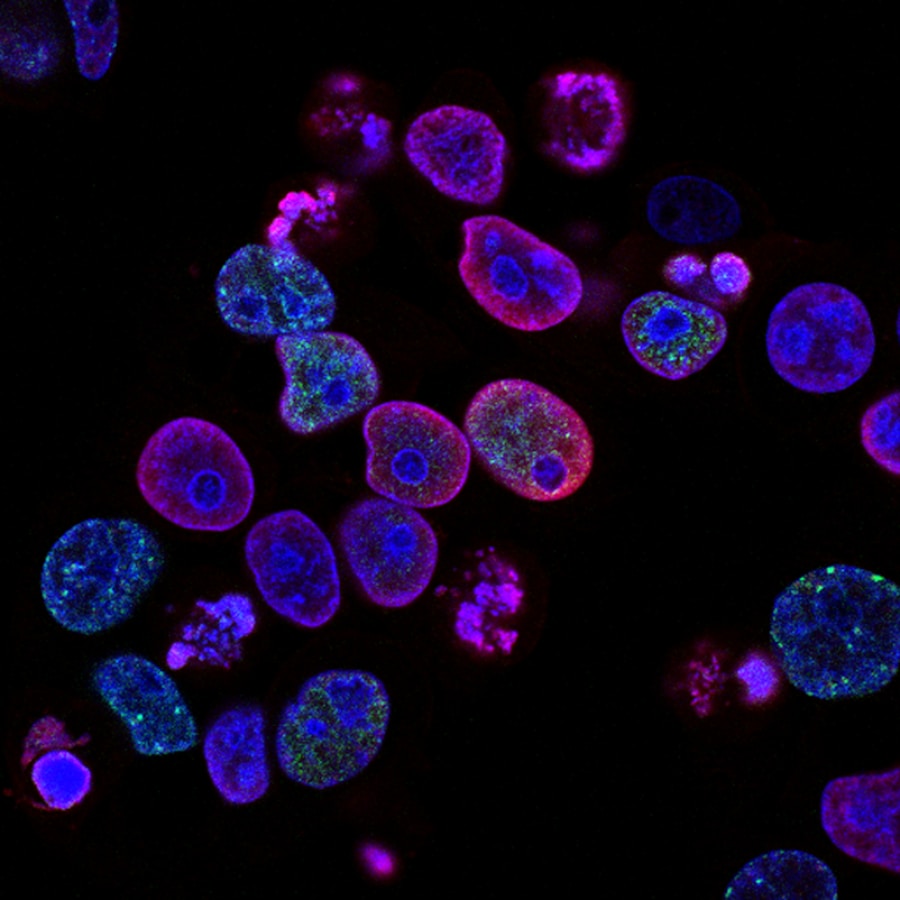
Key growth factors like TGF-β, IGF-1, and FGF directly stimulate chondrocytes (cartilage cells) and tenocytes (tendon cells) to produce collagen type II and proteoglycans — the structural molecules of healthy joints.
Growth biologics modulate the inflammatory microenvironment by upregulating anti-inflammatory cytokines (IL-10, IL-4) while suppressing destructive pro-inflammatory mediators (TNF-α, IL-1β, IL-6) that degrade cartilage.
"Growth factor biologics" describes biological preparations — such as amniotic tissue and birth tissue products — that are naturally rich in the proteins and cytokines the body uses to coordinate tissue repair.
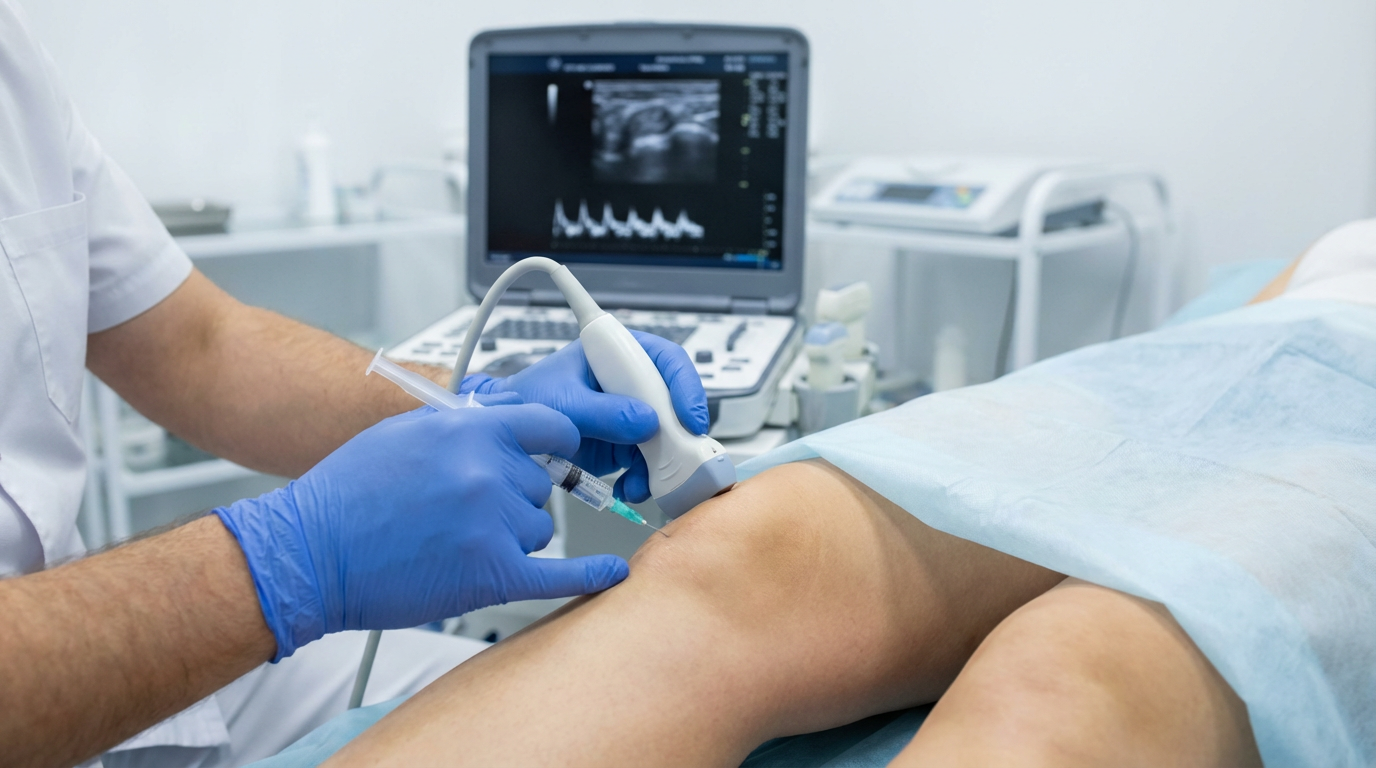
At JRCU, we use FDA-compliant amniotic and birth tissue preparations sourced from accredited tissue banks. These products contain a natural concentration of growth factors, anti-inflammatory cytokines, and extracellular matrix components. When delivered to a damaged joint via ultrasound-guided injection, they help create a more favorable biological environment for the body's own repair processes to work.
Amniotic and birth tissue biologics naturally contain a range of proteins that support the healing environment of injured tissue. Here is what research shows about some of the key components found in these preparations.
The master regulator of cartilage repair. TGF-β stimulates chondrocytes to produce collagen type II and aggrecan — the core structural proteins that give cartilage its load-bearing properties. Also suppresses inflammatory macrophage activity.
IGF-1 stimulates chondrocyte proliferation and proteoglycan synthesis while simultaneously inhibiting the degradative enzymes (aggrecanases, MMPs) that break down cartilage in osteoarthritis and degenerative disc disease.
PDGF drives cell migration to the injury site and stimulates proliferation of fibroblasts and smooth muscle cells essential for tendon and ligament repair. Critical for the early vascularization phase of healing.
FGF family proteins promote angiogenesis (new blood vessel formation) within healing tissue, ensuring that repair zones receive adequate oxygen and nutrients. FGF-2 in particular supports cartilage and intervertebral disc repair.
VEGF orchestrates the formation of new capillary networks into avascular tissues like cartilage. By improving local blood supply, VEGF ensures that the repair process is sustained over the full 3–6 month healing arc.
BMP-7 is one of the most potent chondrogenic proteins known. It directly induces mesenchymal stem cell differentiation into cartilage-producing chondrocytes and has shown promise in reversing established articular cartilage defects.
Amniotic and birth tissue biologics may be appropriate for a range of musculoskeletal conditions. Your provider will evaluate whether this option is right for your specific case.
Growth factors slow cartilage breakdown, reduce synovial inflammation, and stimulate new matrix production in the joint space.
Targeted delivery of TGF-β and IGF-1 into the hip joint addresses degenerative changes and restores range of motion.
Rotator cuff, Achilles, patellar, and elbow tendinopathies respond well to PDGF and FGF-driven collagen remodeling.
Growth factors delivered to the disc's nucleus pulposus or annulus fibrosus support disc cell survival and extracellular matrix restoration.
PDGF and VEGF accelerate the healing of partial ligament tears and meniscus lesions that conventional care struggles to resolve.
Focal cartilage lesions — from sports injury or progressive wear — can be addressed with BMP-7 and TGF-β to promote chondrogenesis.
Healing is a biological process. Understanding the timeline helps set the right expectations.
Growth factors bind to target cell receptors; acute inflammation is modulated; pain may temporarily increase before decreasing.
Anti-inflammatory cytokine activity peaks; local stem cells are recruited; early collagen synthesis begins in the repair zone.
Structural tissue remodeling accelerates; new extracellular matrix is laid down; most patients notice significant functional improvement.
Collagen matures and cross-links; cartilage density increases on follow-up imaging; peak pain relief and restored biomechanics.
Every protocol is customized to your biology, your condition, and your goals.
We review your imaging, lab work, and symptom history to determine whether growth factor biologics are indicated and which specific preparation will yield the best outcome for your condition.
Our provider selects the optimal growth factor preparation — concentration, volume, and combination — based on the specific tissue being targeted and the degree of degeneration or injury present.
Biologics are injected under real-time ultrasound imaging guidance, ensuring delivery to the precise anatomical target — joint space, tendon insertion, disc, or ligament.
We schedule follow-up appointments at defined intervals to assess your response and determine whether additional treatments are needed to maximize your outcomes.
Book a consultation with Devon Duplain, PA-C. We'll evaluate your condition and determine if growth factor biologics are right for you. Same-day treatment discount available — $100 credited toward treatment when pursued the same day (minimum $1,000 treatment).
Book My ConsultationNano-sized cellular messengers carrying growth factors, microRNA, and signaling proteins — often used alongside growth biologics for synergistic results.
Learn MoreMesenchymal stem cells that differentiate into cartilage, bone, and soft tissue — frequently combined with growth biologics to accelerate regeneration.
Learn MorePlatelet-rich plasma concentrates naturally occurring growth factors from your own blood for targeted joint and tendon healing.
Learn More